Lipoedema Treatment: Frequently Asked Questions
Lipoedema is a chronic and progressive condition characterised by the abnormal accumulation of fat, most commonly affecting the legs, thighs,...
Read article →

Lipoedema, also commonly misspelt as lipedema, is a condition that causes an abnormal buildup of diseased fat on both sides of your body. It is fairly common, affecting approximately 11 per cent of the female population.
Lipoedema usually appears in your legs (with equal amounts on both sides), but may also appear in your arms. It can cause significant pain, tenderness and a feeling of heaviness in the affected areas, making daily life more difficult. It is closely linked to hormonal changes such as pregnancy and menopause.
Lipoedema is different to normal fat. It doesn’t respond to diet and exercise the way normal fat does, and has an unusual nodular or fibrotic texture within the fat that can feel like peas or walnuts beneath the surface of the skin. It is also difficult to remove with conventional liposuction.
No one knows what causes lipoedema, but genetics could play a role. Diagnosis is made primarily through clinical assessment, medical history and recognition of specific signs and symptoms.
High-resolution ultrasound (US) is a valuable, non-invasive diagnostic tool that assists in diagnosing lipedema, though it is typically used to support a clinical diagnosis rather than replace it. Ultrasound can objectively measure subcutaneous tissue thickness, detect nodular structures and rule out other conditions like lymphedema.
Lipoedema cannot be cured, but can be managed conservatively with compression garments, lymphatic massage and maintaining a healthy weight.
Individuals with lipoedema can experience significant emotional challenges, including low self-esteem and depression, due to the physical changes and their inability to control the condition through diet and exercise.
For more information on this condition, please see our article on lipoedema.
Research shows that water-assisted liposuction is the most effective surgical method for removing the diseased fat associated with lipoedema and reducing symptoms. It may also decrease the need for ongoing conservative management (e.g. lymphatic drainage, compression garments). The procedure is best suited for individuals with early stages of lipoedema (Stages 1 or 2).
Water-assisted liposuction is a specialised, advanced treatment. It uses a pressurised jet stream of sterilised water to gently break up and remove diseased fat cells, with a lower likelihood of harming surrounding tissues, blood vessels, and nerves than conventional liposuction techniques.
Before your procedure, you’ll be given preparation guidelines, including directions on eating, drinking, and the use of certain medications or supplements before and after your procedure. These steps are intended to support your body throughout the procedure and recovery.
Before any surgical procedure, it’s vital to take good care of your body so that you are as healthy as possible. Eat a well-balanced diet, stay hydrated, and if you’re a smoker, you should quit smoking or at least abstain for 2 to 4 weeks before and after the procedure.
Dr Attalla performs his water-assisted liposuction procedures at a private day surgery under general anaesthesia when performing larger procedures or under local anaesthesia when performing smaller procedures.
During the procedure, small incisions are made to allow a cannula (a small tube) to reach the treated area. Fan-shaped water jets are attached to the end of the cannula. A tumescent solution of local anaesthetic and sterilised water is gently streamed into the treated area to dislodge fat cells while simultaneously suctioning them away.
Suitable candidates for water-assisted liposuction are typically individuals who:
If you’d like to find out more about our lipoedema surgery, the first step is to book an appointment with Dr Mark Attalla in his Melbourne-based rooms.
During your consultation, Dr Attalla will review your concerns and examine the areas you would like addressed. This may include assessing your lipoedema, taking measurements, and recording photographs for medical planning.
Your overall health and medical history will also be reviewed, including any medications, vitamins, or supplements you are taking. This information helps in identifying any factors that could influence the procedure or recovery.
If Dr Attalla determines that you are suitable for water-assisted liposuction, he will carefully explain the procedure, recovery, risks, complications and all costs to you.
Request Consultation


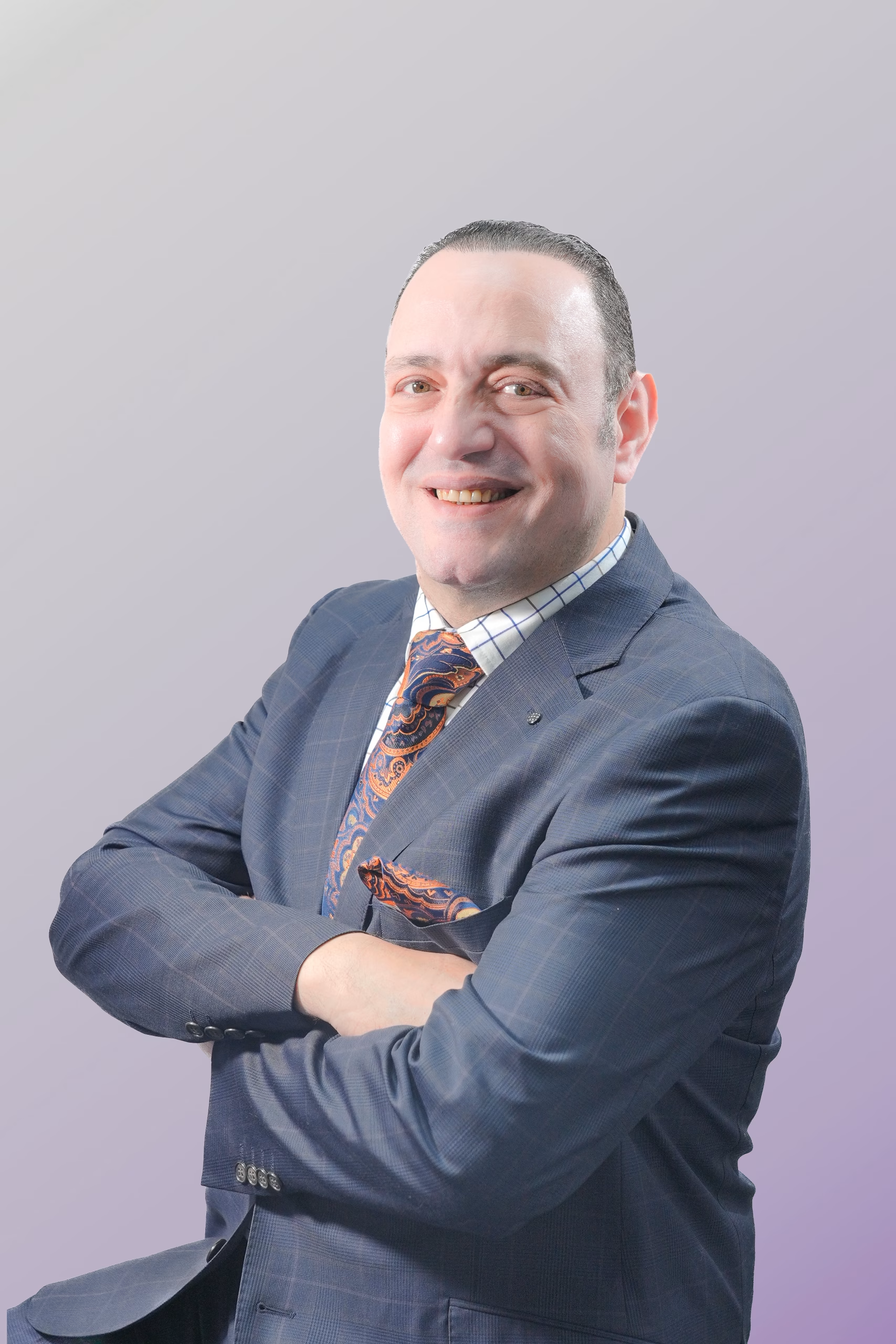
Dr Mark Attalla, MBBCHa FACCS – Cosmetic Practitioner
MED0001170831
RECOVERY
You will return to Dr Attalla’s rooms for a scheduled follow-up visit. The nurses will remove your compression garment so that Dr Attalla can carefully examine the area to ensure that everything is healing well. Most of your pain and discomfort should have subsided.
You will return to the clinic weekly for 4 weeks for lymphatic drainage and gentle massage. Maximum swelling and some tissue hardening occur in week two. Typically, most of the swelling and hardening will subside over the following two weeks.
Most patients can return to work approximately two weeks after their procedure. If your work is physically intensive, we suggest waiting for another two weeks. The majority of swelling and bruising will have subsided. In the third and fourth weeks, patients can reduce the time they wear their compression garment from 24 hours a day to 12 hours a day. After four weeks, patients can return to normal daily activities and light exercise.
FINANCE INFORMATION
The cost of water-assisted liposuction (lipoedema surgery) will be determined by several factors, including:
To determine the cost for your procedure, please book an initial consultation with Dr Mark Attalla.
A note on Medicare: There are currently no specific Medicare rebates for lipoedema surgery, even when symptoms are severe. This is because it is considered a cosmetic procedure rather than a necessary medical treatment. Private Health Insurance also does not provide a rebate, as it only rebates procedures with a Medicare item number. Therefore, the water-assisted liposuction must be privately funded.
COMMON QUESTIONS
Water-Assisted Liposuction (WAL), also known as Jet Lipo, is a specialised liposuction technique that uses a pressurised stream of sterilised water to gently dislodge and remove fat cells. It is used to treat lipoedema because it may reduce trauma to surrounding tissues, blood vessels and nerves compared to conventional liposuction techniques.
Lipoedema is a chronic condition that causes an abnormal build-up of diseased fat, usually in the legs and sometimes the arms. It commonly affects both sides of the body equally and may cause pain, tenderness, heaviness, swelling, and difficulty with mobility. Unlike normal fat, lipoedema fat does not typically respond to diet and exercise.
Lipoedema diagnosis can now be made or confirmed by high resolution ultrasound. However, diagnosis is generally made through a clinical assessment, medical history and recognition of common signs and symptoms. Your doctor may assess factors such as fat distribution, tenderness, swelling and skin texture.
Suitable candidates for WAL are typically individuals with Stage 1, 2, or 3 lipoedema who are in good overall health and have realistic expectations about the procedure. Candidates should ideally be close to their target weight, have good skin elasticity and be non-smokers or willing to stop smoking before and after surgery.
Before surgery, patients are given detailed preparation instructions regarding eating, drinking, medications and supplements. Maintaining a healthy lifestyle, staying hydrated, eating a balanced diet, and avoiding smoking for at least 2–4 weeks before and after surgery may support healing and recovery.
Water-Assisted Liposuction is generally performed in a private hospital under general anaesthesia. Small incisions are made so a cannula can be inserted into the treatment area. Pressurised water combined with a tumescent solution is used to loosen diseased fat cells while simultaneously suctioning them away.
After surgery, patients are fitted with compression garments to help reduce swelling and support healing. Bruising, swelling and discomfort are common during the early recovery period. Most patients can return to work within approximately two weeks, although physically demanding jobs may require additional recovery time. Lymphatic drainage massage and follow-up appointments are recommended during healing.
Currently, there are no specific Medicare rebates available for lipoedema surgery, as it is generally classified as a cosmetic procedure rather than a medically necessary treatment. Private Health Insurance also typically does not provide rebates unless a Medicare item number applies. Patients are required to privately fund the procedure.
Any cosmetic surgery comes with potential risks and side effects. Possible complications include pain and discomfort, internal puncture, scarring, emboli, bruising, numbness, fluid accumulation, fat embolism, permanent skin colour changes, hyperpigmentation (darkening of the skin), infections, seromas, and hematomas. There is also the possibility of an allergic reaction to local anaesthetics and medications, or experiencing a contour irregularity.
Other possible complications include dysesthesia, in which the area around the treatment feels strange or distorted, and sometimes no feeling is present. Hyperesthesia is the opposite, in which the area is highly sensitive to touch.
Before deciding on cosmetic surgery, it’s important to have realistic expectations about the outcome. Talk to your cosmetic doctor about what to expect from the surgery and make sure you understand the recovery time and results.
*Individual outcomes vary, as the results for one person may not be the same for others. Several factors, including genetics, diet, and exercise, can contribute to these differences.
*Every type of cosmetic surgery involves invasive procedures and, therefore, comes with an element of risk. This includes all types of liposuction in Melbourne.
FURTHER READING
Lipoedema is a chronic and progressive condition characterised by the abnormal accumulation of fat, most commonly affecting the legs, thighs,...
Read article →Everyone wants smooth, even results after liposuction, and it’s certainly something that every surgeon endeavours to achieve. Imperfections and irregularities...
Read article →Below is a comprehensive glossary of 41 words and phrases often used when discussing liposuction surgery. A Anaesthesia Medication used...
Read article →If you think you may have lipoedema, it’s vital you learn about the condition and seek help from a medical...
Read article →