
Lipoedema is a chronic and progressive condition characterised by the abnormal accumulation of fat, most commonly affecting the legs, thighs, buttocks, hips, and arms. It almost exclusively affects women and is believed to be influenced by hormonal and genetic factors.
Treatment options range from conservative management with compression therapy and manual lymphatic drainage through to advanced surgical procedures such as water-assisted liposuction for lipoedema. The most appropriate treatment depends on the stage of the condition, the severity of symptoms, and each patient’s goals.
If you have lipoedema, you likely have questions. We’ve compiled the most common FAQs about this condition below. However, if you’d like more information about water-assisted liposuction in Melbourne, or if you’d like to book a consultation with Dr Attalla, please contact Chelsea Cosmetics Melbourne.
Lipoedema FAQs
What is the difference between lipoedema and obesity?
Lipoedema is a medical condition involving abnormal fat deposition that is resistant to diet and exercise. Obesity is a generalised increase in body fat throughout the body. Most patients with lipoedema have a disproportionate body shape, where limbs enlarge significantly compared to the rest of the body.
What is the difference between lipoedema and lymphoedema?
Lipoedema primarily involves abnormal fat accumulation, pain, tenderness and easy bruising. Lymphoedema occurs when the lymphatic system is unable to adequately drain fluid, causing swelling. Some patients may develop both conditions.
What causes lipoedema?
The exact cause remains unknown. However, research suggests that genetics and hormonal influences play a significant role. This is why symptoms commonly appear or worsen during puberty, pregnancy, menopause, or other hormonal shifts.
Is lipoedema hereditary?
Yes. Many patients report a family history of similar symptoms affecting mothers, sisters, daughters or grandmothers, suggesting a strong genetic component.
What are the symptoms of lipoedema?
Common symptoms include:
- Enlarged legs, thighs, hips, buttocks, or arms
- Symmetrical enlargement (the affected areas increase equally on both sides of the body)
- Painful or tender fatty tissue
- Easy bruising
- Heaviness in the limbs
- Swelling that worsens throughout the day
- Reduced mobility
- Difficulty finding clothes that fit properly
- A disproportionate body shape
How is lipoedema diagnosed?
Diagnosis is primarily clinical and based on:
- Medical history
- Physical examination
- Characteristic fat distribution
- Presence of pain and tenderness
- Assessment of swelling and skin changes
- Tests to rule out similar conditions (e.g., chronic vein insufficiency, obesity, Dercum’s disease).
Can diet and exercise cure lipoedema?
There is no ‘cure’ for lipoedema, only treatments. Diet and exercise are important for maintaining overall health and managing body weight. However, they do not typically eliminate lipoedema fat. Many patients find that despite consistent efforts, their affected limbs remain enlarged.
Does lipoedema get worse over time?
Lipoedema is often progressive and may worsen if left untreated. Symptoms can become more noticeable during hormonal changes.
Why do my feet remain normal while my legs enlarge?
A hallmark sign of lipoedema is sparing of the feet/hands, resulting in a characteristic ‘cuff’ appearance around the ankles (or wrists). This feature helps distinguish lipoedema from lymphoedema.
Is lipoedema painful?
Yes. Many patients experience aching, tenderness, heaviness and discomfort, particularly when pressure is applied to affected areas.
Why do I bruise so easily?
The blood vessels within lipoedema tissue are often fragile and more prone to injury, leading to bruising even after minor trauma.
What non-surgical treatments are available?
Conservative lipoedema treatment options include:
- Compression garments
- Manual lymphatic drainage
- Exercise programs
- Weight management
- Physiotherapy
- Skin care
These treatments may help reduce symptoms and improve quality of life.
Can lipoedema be cured?
Currently, there is no cure for lipoedema. Treatment focuses on symptom management, improving mobility, reducing discomfort and preventing progression.
Can liposuction help lipoedema?
Yes. In particular, water-assisted liposuction (WAL) is the preferred option for treating lipoedema patients undergoing liposuction. Also known as ‘jet liposuction’, it involves the use of pressurised, fan-shaped water jets to gently dislodge fat cells, making the procedure less traumatic to surrounding tissues. Advantages of WAL include:
- Reduced tissue trauma
- Less bruising and swelling
- Faster recovery
- Preservation of lymphatic vessels
While the procedure cannot cure the condition, it can slow the progression of the disease, reduce limb volume, improve mobility, decrease pain, and address quality of life when performed on appropriate candidates.
How many WAL procedures will I need?
The number of procedures you will require depends on:
- Your stage of lipoedema
- Areas being treated
- Volume of tissue requiring removal
- Your individual goals
Some patients achieve excellent results after a single procedure, while others require staged surgeries.
What are the risks of lipoedema liposuction?
Potential risks include:
- Bleeding
- Infection
- Seroma formation
- Temporary numbness
- Contour irregularities
- Deep vein thrombosis (rare)
All risks are discussed in detail during your initial consultation.
Will I need to wear compression garments after surgery?
Yes. You must wear your compression garments 24/7 for the first weeks following surgery, then 12 hours a day for the following two weeks.
Does Medicare cover lipoedema surgery in Australia?
Unfortunately, liposuction for lipoedema is generally considered a cosmetic procedure by Medicare and most private health insurers in Australia. As a result, Medicare rebates and health fund coverage are typically not available for this treatment.
Some patients may later require skin excision procedures such as:
- Abdominoplasty (tummy tuck)
- Thigh lift
- Brachioplasty (arm lift)
These procedures address excess skin following substantial volume reduction.
Can I access my superannuation for lipoedema surgery?
Some patients may qualify for early release of superannuation under compassionate grounds if lipoedema significantly affects mobility, causes chronic pain or impacts quality of life.
Approval is determined by the relevant authorities and is not guaranteed. Independent financial advice is recommended before proceeding.
What stage is my lipoedema?
Lipoedema is generally classified into three stages:
- Stage 1: Smooth skin with enlarged fatty tissue. There is mild swelling in the affected areas. The newly developed fatty deposits are symmetrical, dense and slightly painful. Small lumps, like frozen peas, may be felt beneath the skin.
- Stage 2: Uneven skin texture with nodules. The lipedema is more advanced. Body contours begin to distort, and fat deposits enlarge. Pain, swelling and sensitivity to pressure all increase. There are larger indentations and irregularities in the surface of the skin.
- Stage 3: Large fat deposits and tissue overhangs appear. It may take several years to reach this stage. There is a pronounced increase in the circumference of the affected area/s. The tissues harden, and large nodular masses develop, particularly on the inner thighs and around the knees. Mobility may be significantly restricted.
Sometimes, health professionals refer to a ‘Stage 4’. Technically, this is where lipoedema leads to lymphoedema and is called lipo-lymphoedema. The tissues swell due to an acute accumulation of protein-rich fluid, and the lymphatic system has been significantly compromised.
Can men get lipoedema?
Although uncommon, lipoedema can occur in men, particularly when associated with hormonal abnormalities.
What exercises are best for lipoedema?
Low-impact exercise is often recommended for patients with lipoedema. These include:
- Walking
- Swimming
- Cycling
- Water aerobics
- Resistance training
These activities may help improve circulation, mobility, mental health and overall health.
Is lipoedema associated with other conditions?
Lipoedema may occur alongside:
- Obesity
- Joint pain
- Venous disease
- Hypermobility disorders
- Lymphatic dysfunction
When should I consider lipoedema surgery?
Patients typically consider lipoedema surgery (water-assisted liposuction) when:
- Conservative treatments are no longer effective
- Pain affects daily activities
- Mobility becomes restricted
- Symptoms continue to progress
- They wish to address the appearance of the affected areas
- Quality of life is significantly impacted
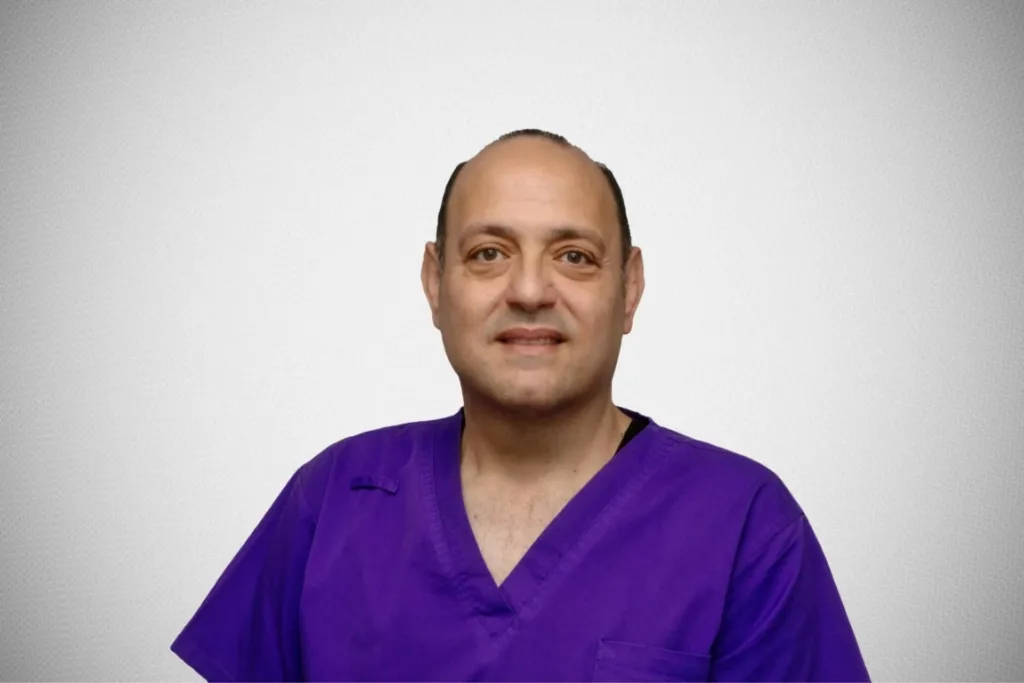
If you have discussed your concerns about lipoedema fat with your GP, they can write a referral to see Dr Attalla in his Melbourne-based rooms to discuss water-assisted liposuction.
During your consultation, Dr Attalla will review your concerns and examine the areas you would like addressed. This may include assessing your lipoedema, taking measurements, and recording photographs for your medical records.
Your overall health and medical history will also be reviewed, including any medications, vitamins, or supplements you are taking. This information helps identify factors that could influence the procedure or recovery.
If Dr Attalla determines that you are suitable for water-assisted liposuction, he will carefully explain the procedure, recovery, risks, complications and all costs to you.