Causes Of Unevenness After Liposuction
Everyone wants smooth, even results after liposuction, and it’s certainly something that every surgeon endeavours to achieve. Imperfections and irregularities...
Read article →

Liposuction surgery is considered to be the world’s most popular cosmetic surgery procedure. Rather than being a weight-loss method, it aims to remove stubborn pockets of fat to address the body’s contours cosmetically. It is often performed on areas such as the abdomen, thighs, hips, arms, back, neck and chin.
Also known as lipoplasty or suction-assisted lipectomy, liposuction is not a weight loss method. We strongly advise patients to reach their weight-loss goals using healthy, natural methods, and to use liposuction to address localised pockets of fat that don’t respond to natural methods alone.
The decision to undergo liposuction is influenced by your anatomical features, current health status, and individual needs and goals. This decision is deeply personal, and your consultation will be conducted in the most supportive and respectful manner.
Dr Mark Attalla has extensive experience in liposuction and uses a variety of advanced modalities and industry-leading techniques to perform the procedure. These newer methods allow for greater precision and optimal contour changes, and typically result in less swelling and bruising than traditional methods.
These modalities may include Laser Liposuction for small, delicate areas such as under the chin or jawline, high-definition liposuction for those wanting to optimise muscle definition, VASER liposuction for select areas and water-assisted liposuction for patients with lipoedema. It all depends on the patient’s needs and objectives, the treatment area, recovery requirements, and the desired outcome.
The majority of Dr Attalla’s liposuction procedures are performed as day surgery. This means you can return home on the same day and avoid the expense of an overnight hospital stay.
Small procedures (under 200 ml of fat and fluid) are performed in his Melbourne-based rooms. However, most procedures are performed at an accredited day-surgery facility, such as Chelsea Heights Day Surgery or Templestowe Day Surgery.
You’ll be thoroughly cared for before, during, and after your treatment, and given ample time to recover before safely returning home with a designated driver, such as a friend or family member.
The method Dr Mark Attalla may recommend will depend on several factors, including the size of the area being treated, the amount of fat to be removed, and the condition of your skin. The details of how the procedure is carried out, including the specific methods and instruments, will be explained during your consultation.
Common treatment methods Dr Attalla uses include:
This approach involves using a probe that uses laser energy to prepare the fat for removal. The laser emits two selective wavelengths: one targets fat, allowing it to be removed or resorbed by the body. The other laser wavelength heats the tissues under the skin, stimulating collagen production.
Power-Assisted Liposuction is then used, where vibrations help to loosen the tissue before it is suctioned out.
The MicroAire PAL® (Power-Assisted Liposuction) System is an advanced surgical device engineered for body contouring and fat removal. It is also used for autologous fat harvesting.
PAL uses power-assisted liposuction technology with a rapid reciprocating cannula motion. The system helps deliver greater precision and smoother tissue handling than traditional manual liposuction techniques, while working faster than traditional systems.
High-definition (HD) liposuction is an advanced body-contouring procedure that removes stubborn fat and accentuates underlying muscles. It uses VASER (ultrasound-assisted) technology to break down fat cells with high precision while leaving surrounding tissues intact. HD Lipo is often used on the abdomen, chest and arms, but can be used in other areas, subject to suitability.
VASER stands for Vibration Amplification of Sound Energy at Resonance, highlighting the technique’s reliance on ultrasonic energy to target fat cells selectively.
A probe delivers ultrasound energy to the targeted area, sometimes referred to as acoustic streaming. The prepared fat is then removed through suction. This method may reduce the impact on surrounding non-fatty tissues compared with other methods. Additionally, ultrasound energy may generate heat, which, in some cases, can influence collagen activity in the treated area, potentially tightening the skin.
VASER can be used in small areas, such as under the chin, or in larger areas, such as the abdomen, thighs, arms, and back.
Water-assisted liposuction (WAL) is a specialised, advanced treatment. It uses a pressurised jet stream of sterilised water to gently break up and remove diseased fat cells, with a lower likelihood of harming surrounding tissues, blood vessels, and nerves than conventional liposuction techniques. WAL is often used to treat patients with lipoedema.
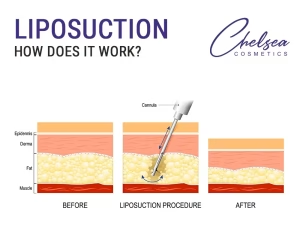
All of Dr Attalla’s procedures involve tumescent liposuction. A solution (typically a saline infusion containing adrenaline and local anaesthesia) is administered to the area before fat removal. Small incisions are made. Then, a small tube (cannula) is inserted into the treatment area. The cannula is connected to a suction machine. The cannula then breaks up and removes the fat particles.
This term refers to procedures where a larger volume of fat is removed (more than 5 liters of aspirate), which may be considered in certain circumstances for patients with higher body weight. Typically, Dr Attalla performs mega liposuction in stages over several surgeries to ensure the patient’s health and safety.
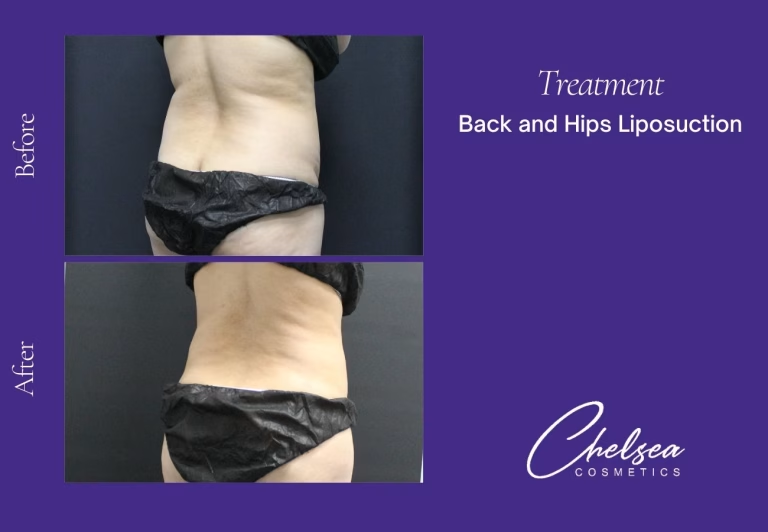
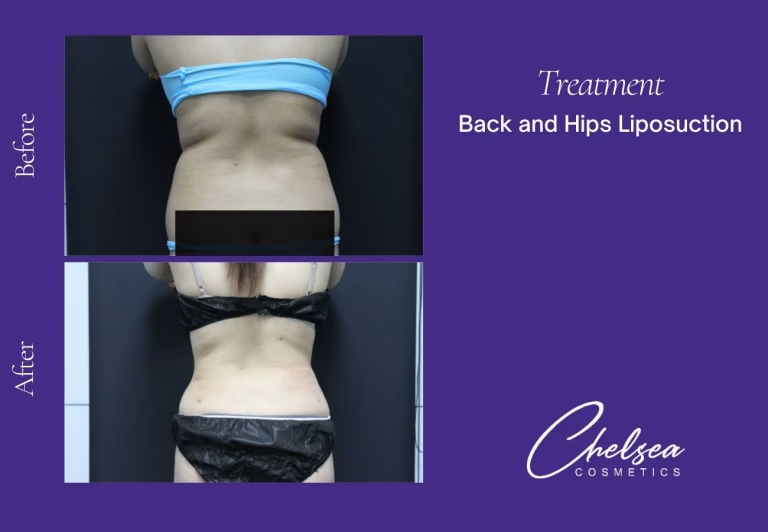
Browse our before & after images of procedures performed by Dr Mark Attalla in Melbourne, Australia
The outcomes shown are only relevant for this patient and do not necessarily reflect the results other patients may experience, as results may vary due to many factors, including the individual's genetics, diet and exercise.
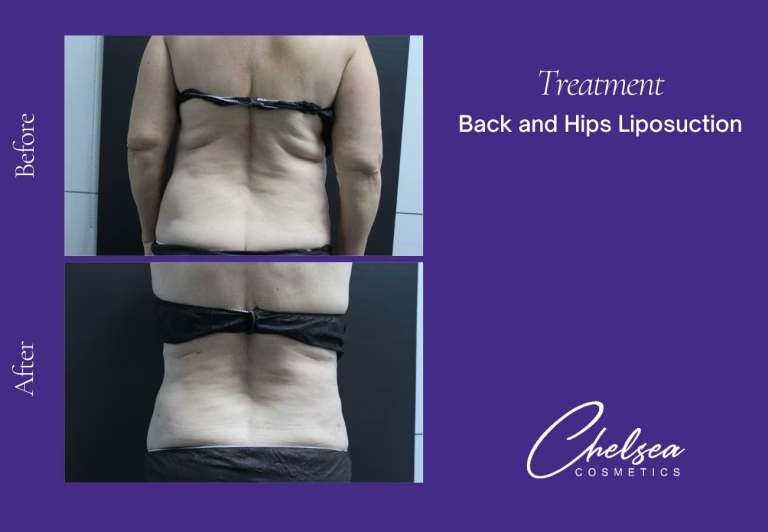
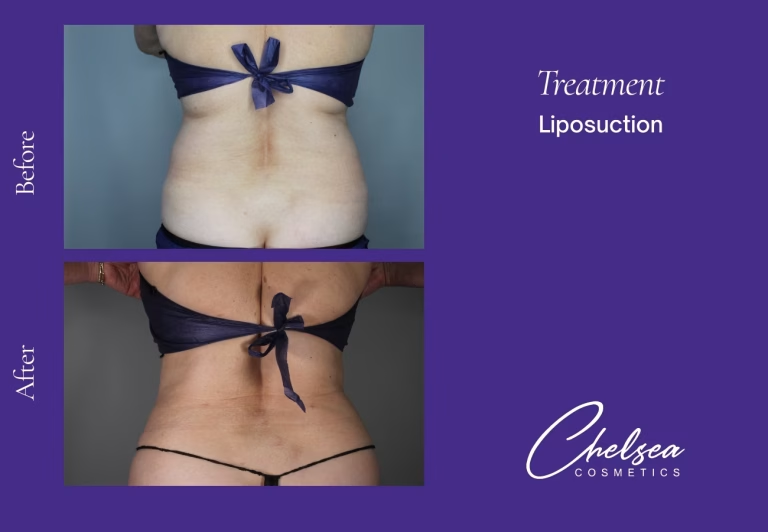
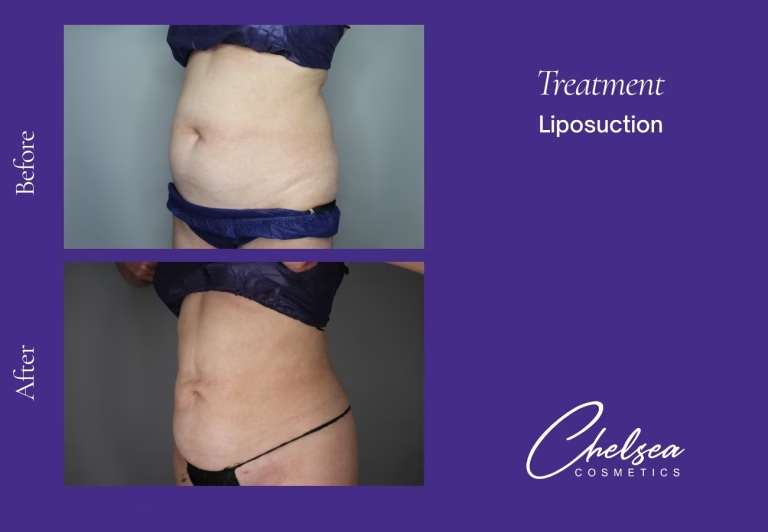
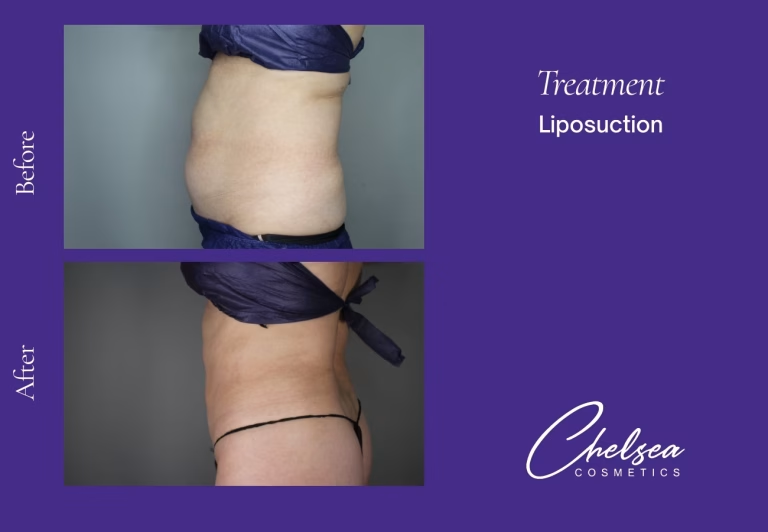
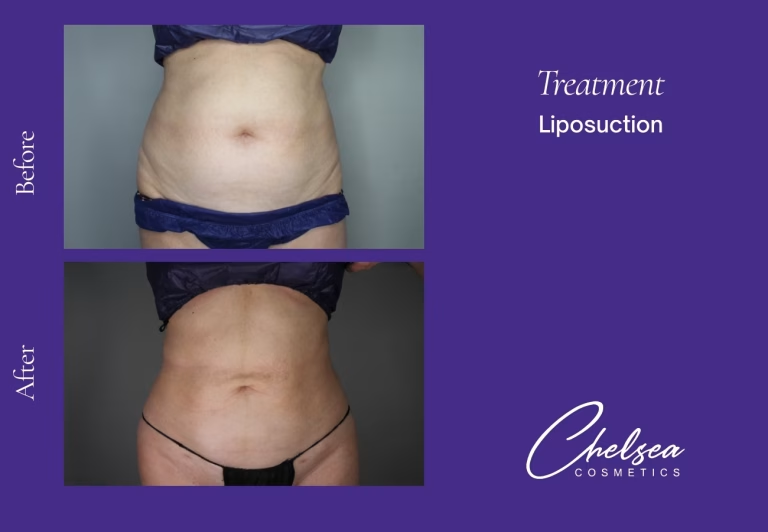
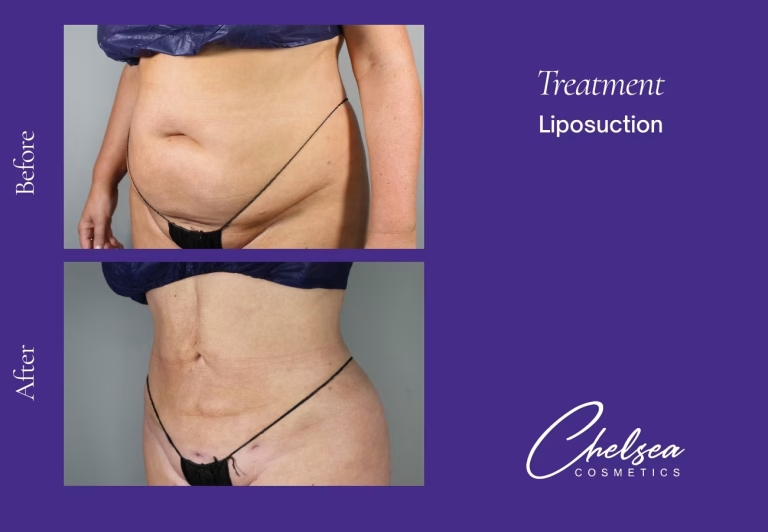
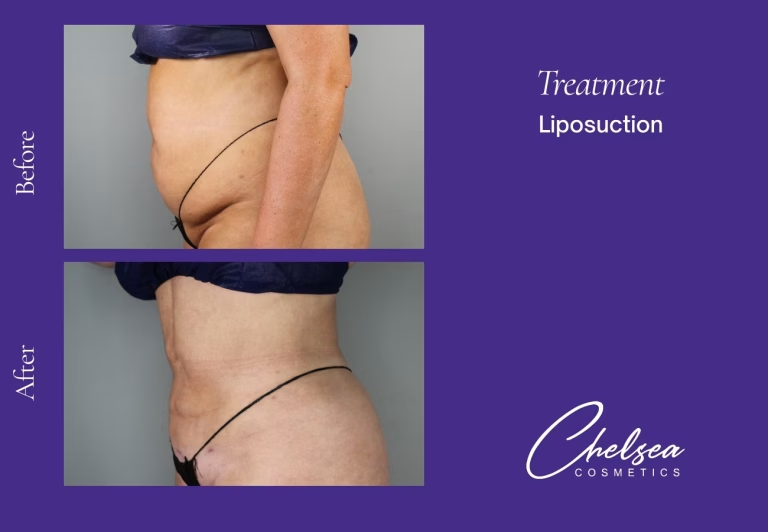
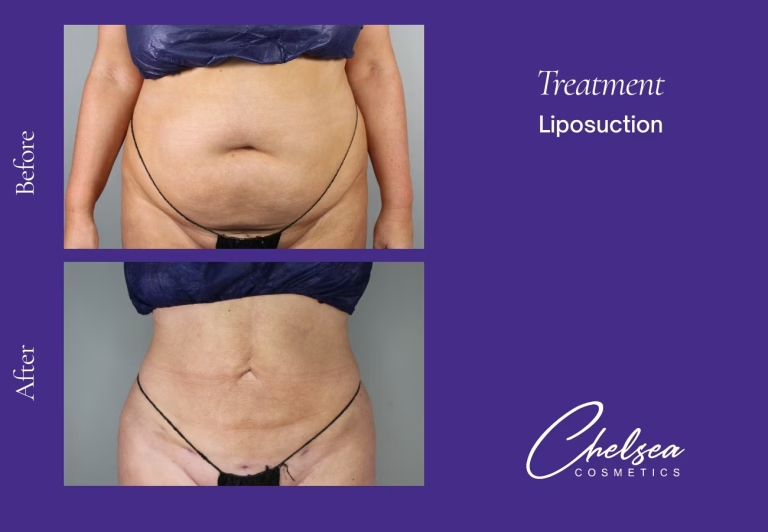
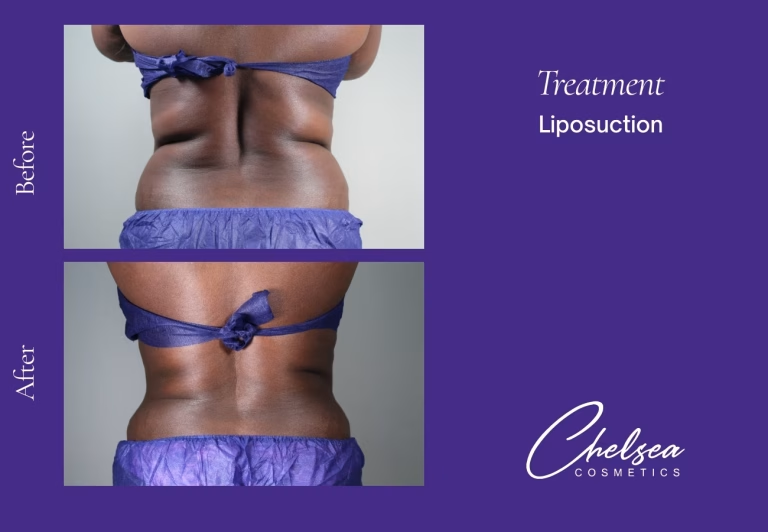
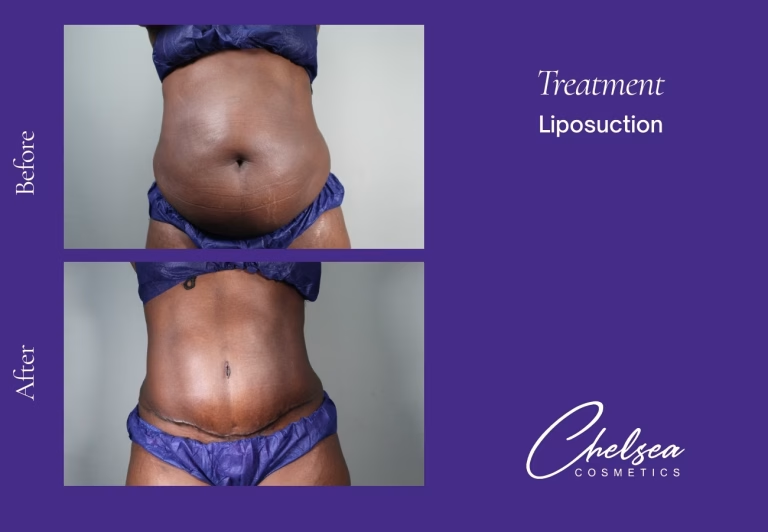
TREATMENT AREAS
To determine whether liposuction may be considered for you, you’ll need an initial consultation with Dr Attalla. However, broadly speaking, preferred candidates are:
The consultation is an important first step in planning liposuction. During this meeting, Dr Attalla will review your concerns and examine the areas you would like addressed. This may include assessing skin condition, taking measurements, and recording photographs for medical planning.
Your overall health and medical history will also be reviewed, including any medications, vitamins, or supplements you are taking. This information helps in identifying any factors that could influence the procedure or recovery.
Lifestyle habits such as smoking, alcohol use, and recreational drug use may also be discussed, as these can affect the healing process. Providing accurate information allows for a safe and well-prepared plan.

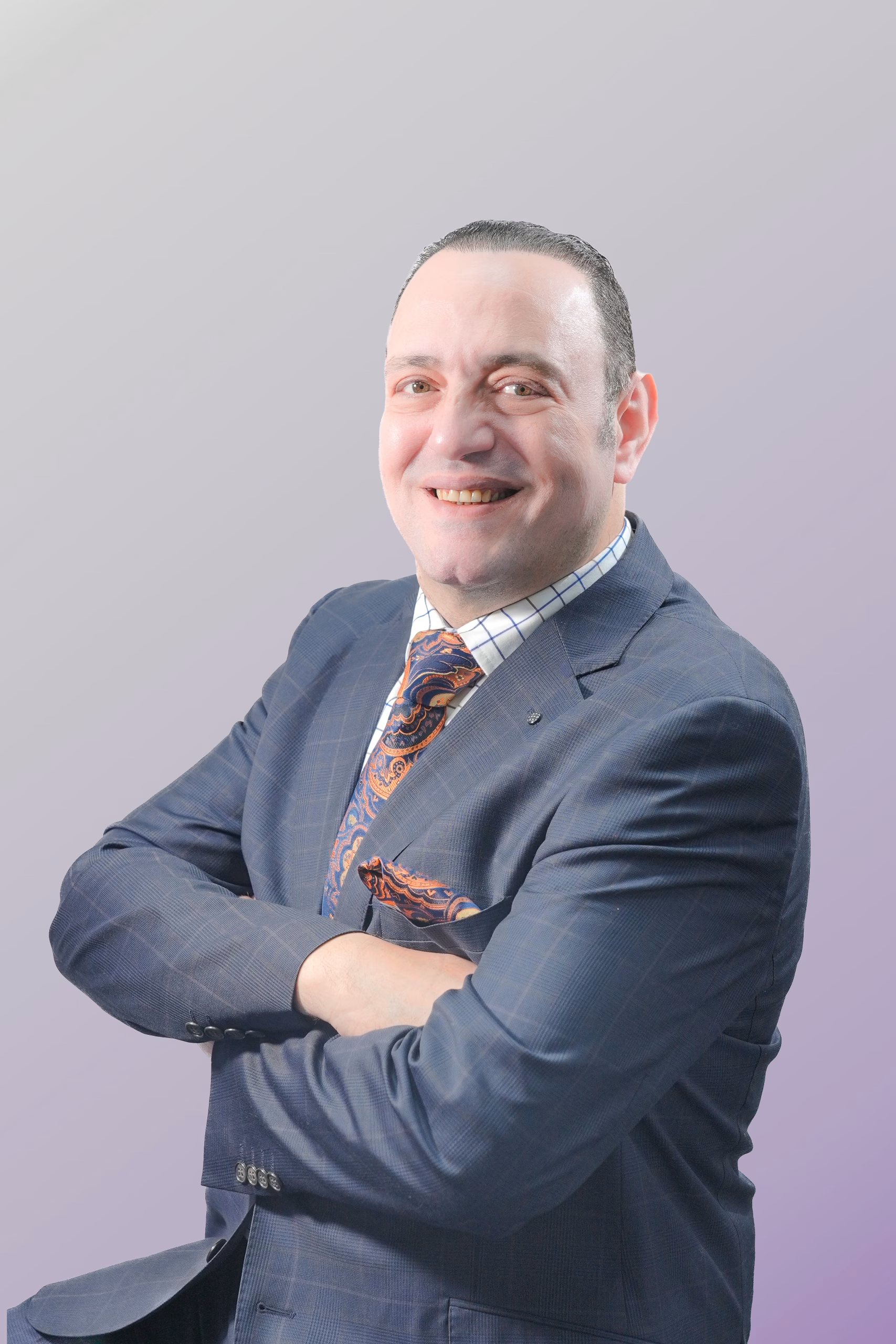
Dr Mark Attalla, MBBCHa FACCS – Cosmetic Practitioner
MED0001170831
Patients receive varying levels of anaesthesia when undergoing liposuction. Consequently, you cannot drive for 24 hours. On the day of surgery, you must have a responsible adult drive you home and remain with you overnight. Please note that hiring transportation following anaesthesia is not permitted. Patients who arrive without a driver will have to reschedule their procedure.
You must discontinue taking or decrease your dose of certain medications before surgery. These medications include non-steroidal anti-inflammatory drugs (NSAIDs), aspirin, ibuprofen and blood thinners. If you take any prescription medications, you must discuss them with Dr Attalla before the procedure in case you need to reduce or discontinue them.
Herbal supplements to be discontinued include Kava Kava, St. John’s Wort, Garlic, Ephedra, Valerian, Feverfew, Ginseng, Dong Quai, Goldenseal, Echinacea, Liquorice and Ginkgo biloba. You must also stop taking vitamin E and fish oil during this timeframe.
RECOVERY
You will be required to come to the clinic every week for four weeks to have lymphatic drainage and massage.
Maximum swelling and some tissue hardening happens on Week 2. Typically, most of the swelling and hardening will subside over the following two weeks.
Disclaimer: The outcomes mentioned above should not influence your decision when considering liposuction; instead, focus on adopting an exercise routine and maintaining a healthy lifestyle.
FINANCE INFORMATION
Determining the cost of a liposuction procedure in Melbourne involves several factors that are unique to each individual. To accurately assess these costs, an initial consultation with Dr Mark Attalla is essential. This consultation can be conveniently scheduled to take place over the phone, via WhatsApp, or through FaceTime, accommodating those who may prefer a virtual meeting.
During this initial consultation, Dr Mark Attalla will discuss your aesthetic goals and review the specific areas you want to target with liposuction. Additionally, he will evaluate different liposuction techniques and recommend the most appropriate method based on your body type and the area(s) to be treated.
The cost of the procedure will be calculated based on the complexity of the case, the number of areas to be treated, the type of liposuction technique selected, and other related factors such as anaesthesia and facility fees. This tailored approach ensures that all patients receive a detailed and accurate estimation of costs, allowing for informed decision-making.
COMMON QUESTIONS
A healthy individual within 9 kg of their ideal body weight, with no serious medical conditions, may be a suitable candidate for lipoplasty.
The procedure is not advised for patients with a BMI of 30% or higher. Patients with excessive intra-abdominal fat are not good candidates for liposuction, as this type of fat cannot be removed by liposuction.
Finally, patients should not have excessive skin or poor skin laxity. These patients should have a different procedure, such as a body lift, brachioplasty or abdominoplasty.
Liposuction involves creating minor incisions (typically no more than 5 mm) in the skin, so minor scarring is possible. Individuals with dark skin can sometimes develop dark scars. They are smaller (about 3 mm) and usually get lighter within 1 to 2 years. However, if they don’t fade, they can be treated with Fotona QS or Picosure Laser.
After surgery, the minor incision wounds will be visible as they heal. Some fluid may leak from the incisions for a few days, but it will stop as the scab forms, leaving a white-coloured scar.
Although some weight may be lost, liposuction is not a weight loss procedure. It may be used to remove fat from areas of the body that do not usually respond to diet and exercise.
It’s important to note that liposuction does not make a noticeable change in body weight. This is because fat is very light, which is why fat and oil float on the water’s surface. However, removing 5 litres or more of fat can cause a considerable difference in clothes size.
After high definition liposuction, you will notice a considerable difference in your clothes size. If you continue a healthy lifestyle and exercise regimen, you will notice considerable definition to your muscles.
Skin quality is essential in determining which lipoplasty method is best suited to a patient.
Typically, patients with a BMI of 25 and good-quality skin may be suitable candidates for high-definition liposuction. Patients with mild skin laxity may be suitable candidates for normal Vaser liposuction. These factors will be discussed with you during your initial consultation.
We offer a free online consultation where we can advise you on the most appropriate procedure/s for your body.
Anaesthesia tends to slow an individual’s reflexes and thought processes, which can lead to accidents.
The results of liposuction can be long-lasting, as fat cell removal is permanent. However, maintaining these results depends on a healthy diet, regular exercise and a stable weight. While fat cells removed during the procedure do not regenerate, excessive calorie consumption can cause remaining fat cells in other areas to expand. Additionally, factors such as genetics and the natural ageing process can influence body shape over time.
If you have previously had conventional liposuction, there is a higher chance of regaining fat in the area, as it removes only the deep fat layer. However, with high-definition liposuction, gaining fat in the treated area is less likely because we remove both superficial and deep fat.
Typically, you will see approximately 75% of the final results two months after the procedure. The final results will be revealed from the 6th month.
Patients who use products that contain nicotine need to stop using them for at least four weeks before and four weeks after their fat-removal surgery. Nicotine negatively affects the circulation process by causing the blood vessels to constrict. This, in turn, slows the blood flow to the areas trying to heal. Patients who continue using these products are at a higher risk of developing open wounds and an infection.
Any plastic surgery comes with potential risks and side effects. Possible complications include pain and discomfort, internal puncture, scarring, emboli, bruising, numbness, fluid accumulation, fat embolism, permanent skin colour changes, hyperpigmentation, where the skin darkens, infections, seromas, and hematomas. There is also the possibility of an allergic reaction to local anaesthetic and medications, or experiencing a contour irregularity.
Other possible complications include dysesthesia, where the area around the treatment feels strange or distorted and sometimes no feeling is present. Hyperesthesia is the opposite, where the area can be highly sensitive to touch.
Before deciding on cosmetic surgery, it’s important to have realistic expectations about the outcome. Talk to your cosmetic doctor about what to expect from the surgery and make sure you understand the recovery time and results.
*Individual outcomes vary, as the results for one person may not be the same for others. Several factors, including genetics, diet, and exercise, can contribute to these differences.
*Every type of cosmetic surgery involves invasive procedures and, therefore, comes with an element of risk. This includes all types of liposuction in Melbourne.
FURTHER READING
Everyone wants smooth, even results after liposuction, and it’s certainly something that every surgeon endeavours to achieve. Imperfections and irregularities...
Read article →Below is a comprehensive glossary of 41 words and phrases often used when discussing liposuction surgery. A Anaesthesia Medication used...
Read article →Liposuction is one of the most popular cosmetic procedures in Australia, consistently ranking among the top five most performed surgeries....
Read article →Many of us know that liposuction is designed to remove fat from targeted areas of the body, but how the...
Read article →